Working principle and application of VOC(source from: www.gaslyst.com)
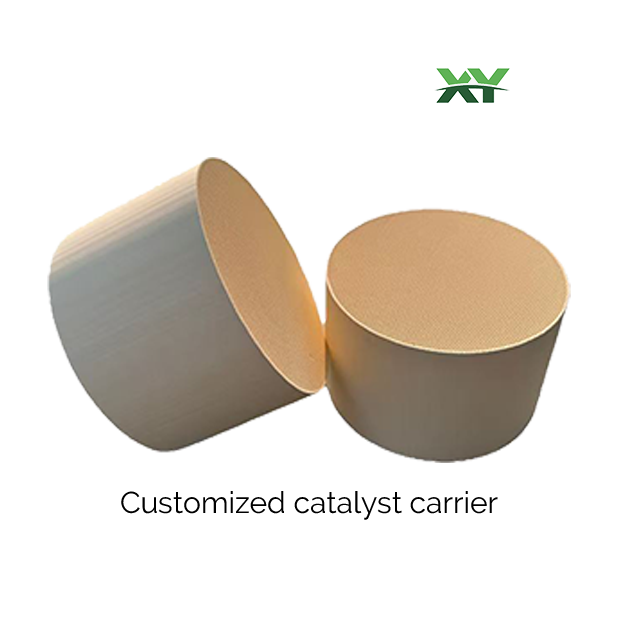
I. Concept of VOCs VOCs (Volatile Organic Compounds) • Environmental Impacts: • Atmospheric photochemical reactions generate ozone and secondary particulate matter • Nerve damage, long-term exposure can cause cancer ⸻ II. Working Principle of VOC Ceramic Catalysts 1. Oxidation and decomposition of VOC gases into harmless substances: • CO₂ (carbon dioxide) • H₂O (water) • Core reaction: Oxidation reaction (usually between 250–450°C) VOC + O₂ → CO₂ + H₂O 2. Catalyst Composition 1. Support Material • Commonly used ceramic honeycomb support (cordierite or alumina ceramic) • Characteristics: • High specific surface area (beneficial for catalyst dispersion) • High thermal stability • Corrosion resistance 2. Coating/Active Components • Noble metal catalysts: • Mainly platinum (Pt) and palladium (Pd) • Pt, Pd, or a Pt/Pd combination can be selected according to the type of VOC. • Non-precious metal catalysts: • Active oxides, such as MnO₂, Co₃O₄, CuO • Functions: • Provides oxidation active sites, accelerating VOC decomposition • Reduces reaction temperature, improving conversion efficiency 3. Working Mechanism • Adsorption-Reaction-Desorption Mechanism: 1. VOC molecules are adsorbed on the catalyst surface. 2. Under the action of precious metals or active oxides, they undergo oxidation reactions with oxygen. 3. CO₂ and H₂O are desorbed from the catalyst surface. • Role of promoters/supports: • Ceramic provides high surface area and thermally stable structure. • Modifiable oxides (CeO₂, ZrO₂) can store oxygen, improving low-temperature oxidation capacity. ⸻III. Applications of VOC Ceramic Catalysts 1. Automobile exhaust treatment • 2. Industrial waste gas treatment • 3. 4. Chemical process exhaust gas • ⸻IV. VOC VOC conversion rate can reach over 90% High temperature resistance 600–800°C Low pressure drop honeycomb structure reduces exhaust gas drag and provides long lifespan. The noble metal catalyst is bonded to a stable support with a lifespan of 5–10 years. Customization is available, adjusting the Pt/Pd ratio or using non-noble metal formulations based on VOC type.
| 
 INSIDERS
211 Read
|
0 Reply
|
2026-01-30
INSIDERS
211 Read
|
0 Reply
|
2026-01-30